
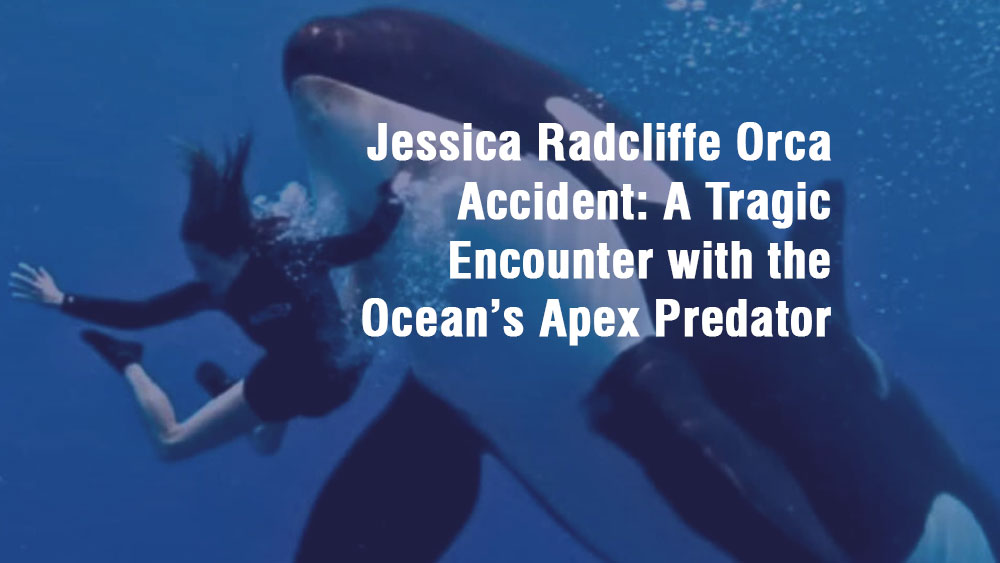
Jessica Radcliffe Orche accident: a tragic encounter with the top hunter of the ocean
The Jessica Radcliffe ork accident has drew global attention, promoting debate on maritime life safety, human esophagus conversation and unexpected behavior of wild animals. This phenomenon, one of the most powerful and intelligent predators of the sea, is also known as Killer Whale – has questioned marine tourism, safety precautions and delicate balance between humans and natural world.
In this article, we dive deeply in the Jessica Radcliffe OCC event, searching for what happened, why this happened, and what lessons can be learned to stop the same tragedies in the future.
Who is Jessica Radcliffe?
Jessica Radcliffe, a famous adventure enthusiast and sea wildlife researcher, dedicated most of her life to study the oceans. With years of experience in marine exploration, he was honored for his passion and commitment to raise awareness about delicate ecosystems below the surface. On the day of the accident, Jessica was part of an ork-looking campaign, a popular activity for tourists and researchers, who want to see the glory of these huge marine mammals.
What happened during the Orca accident?
The incident came to light during a regular whale-looking tour in the area known for the view of OCRCA. Reports suggest that Jessica Radcliffe, along with other passengers, was looking at a pod of orkas from a safe distance when a special orche performed unusual aggressive behavior.
Eyewitness accounts suggest that Occa is considered a male, unexpectedly dissolved near the vessel, causing nervousness. In anarchy, Jessica fell into water. While the orkas usually does not attack humans in the wild, this encounter became tragic as the animal displayed the hunter tendency, leading to fatal consequences.
Marine experts later stated that such behavior can be attributed to activity such as stress, regional defense, or hunting for misinterpretation of human movements.
Understanding orkas: intelligent predators of nature
Orcas, or Orcinus Orca, are among the most intelligent and social organisms in the ocean. Known for its striking black and white appearance, these mammals are the top hunters, who are sitting on top of the sea food chain.
- Diet and hunting skills: Orcas hunt on fish, seal, dolphins and even large whales using complex hunting strategies. Their coordinated techniques show extraordinary teamwork within the pods.
- Social structure: They live in tight-sore family groups, led by motherhood, with strong social bonds that determine their behavior.
- Intelligence: Orcas is capable of problem-solving, copying, and emotional intelligence, which makes them both attractive and unexpected.
Despite their frightening reputation, wild orkas rarely harm humans, which makes the Jessica Radcliffe accident an extraordinary and tragic exception.
Why did the Orchea attack Jessica Redcliff?
The important question around the tragedy is why one occrier would attack a human? While there is no definite answer, marine scientists have provided many possible explanations:
- Territorial Instincts: The orca may have felt threatened by the presence of the boat or the humans observing it.
- Incorrect identity: In water, human movements can be seen by seal -like seals, triggering the victim’s response.
- Stress and environmental changes: Increasing sea temperature, declining food supply, and increase in boat traffic can emphasize marine mammals, leading to aggressive or unexpected behavior.
- Unusual behavior in imprisonment vs. Wilde: While ork attacks are more common in captivity, due to imprisonment, such rare cases prove that wild orcas are not completely risk-free.
Effect of incident on marine tourism
The Jessica Radcliffe Orche accident has sent shockwaves through the maritime tourism industry. Whale-and Orca-Watching Tours are popular worldwide, especially in areas such as Canada, Norway and New Zealand. This tragedy has expressed concern about safety measures and rules controlling such a tour.
- Tour operators are now under pressure:
- Keep maximum distance from the pod.
- Educate tourists about the risks involved.
- Apply strict security gear protocols including life jacket and emergency response training.
While it is necessary to increase sea tourism awareness and support local economies, the phenomenon is reminiscent of the unexpectedness of wildlife encounters.
Lessons learned from Jessica Redcliffe ork accident
From a broad perspective, the tragedy highlights many important lessons:
- Respect for wildlife: No matter how much humans can feel familiar with animals, wild organisms maintain their tendency. It is necessary to respect boundaries.
- Promoted Safety Standards: Tourism operators should prioritize security on profit by implementing strict rules and preparing emergency situations.
- Education for tourists: Visitors should be educated about the possible dangers of sea excursions before climbing on them.
- Research and protection: Constant research in orca behavior is necessary to better understand and predict their interaction with humans.
Public reactions and global debate
The news of Jessica Radcliffe’s death spread rapidly into the international media. Public reactions were to debate the morality of wildlife tourism for the family. Environmentalists emphasized the need to reduce human infiltration in the maritime ecosystem, while others argued that the incident was an unexpected accident.
On social media, Jessica Radcliffe was paid tribute, which accepts her life dedication for maritime protection. At the same time, interactions gained momentum about rethinking human contacts with wild predators.
Stop future orca accidents
The tragedy underlines the need for active measures to reduce the risk of equal accidents in the future:
- Regulated Tourism: Governments should establish strict guidelines for the minimum approach distance for orcas.
- Emergency protocol: Trained personnel and emergency equipment should be prepared in each sea tour.
- Awareness Campaigns: Public campaigns can raise awareness about the unpredictable nature of orcas.
- Sustainable Practices: Reducing ocean noise, pollution, and overfishing can help minimize stress for orcas, making encounters safer.
Conclusion: A Tragic Reminder of Nature’s Power
Jessica Radcliffe Orca accident is a tragic reminder of raw power and natural world unpredictable. While humans are ready for the beauty and glory of orkas, we should never forget that these are with wild, top predators with instincts that cannot be nominated.
Jessica’s inheritance as a maritime advocate continues to motivate the interaction with ocean protection and the need for safe, respectable and sustainable human interactions with wildlife. By learning from this heart -wrenching event, society can try to protect both humans and magnificent creatures that reside in our oceans.




No Comments